The Flashback That Changed Everything
"Widow's Bay" has taken a dramatic turn with Episodes 6 and 7, transforming from a comedic mystery into something far more sinister. According to reports, creator Katie Dippold and guest star Hamish Linklater have opened up about the series' game-changing colonial origin story that reveals the dark supernatural forces behind the island's curse.
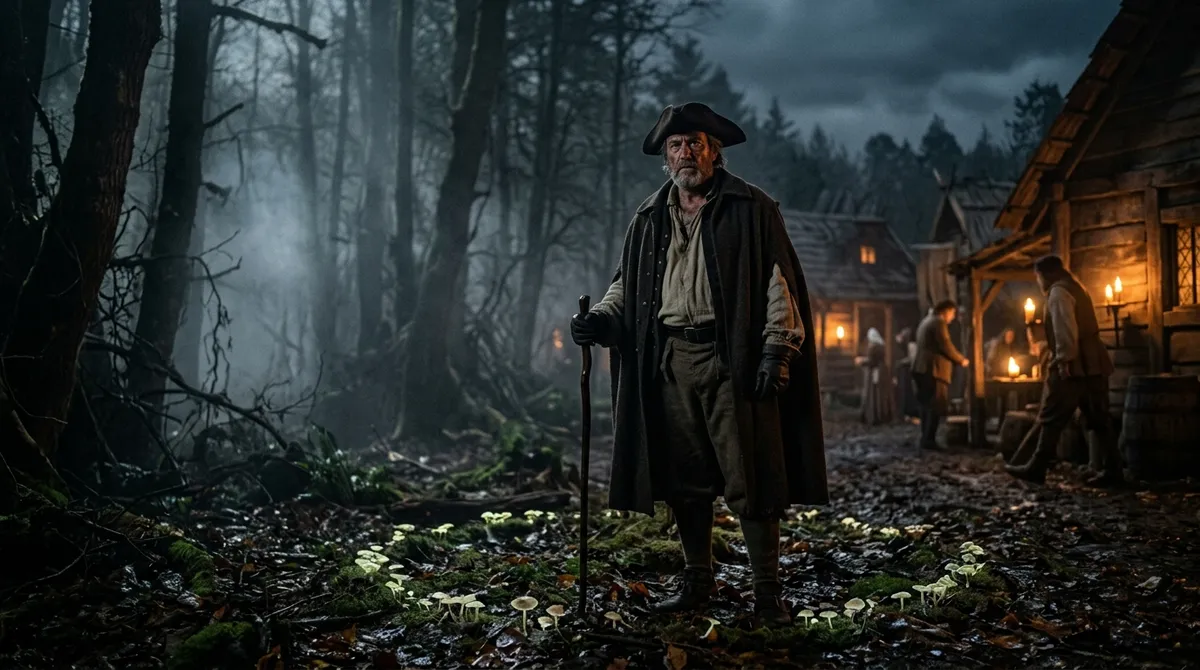
The flashback episodes reportedly unveil the story of Richard Warren, a character who has survived for 300 years through a mysterious supernatural mushroom covenant. This revelation fundamentally shifts the show's mythology, turning what began as a lighthearted mystery into full-blown folk horror.
From Comedy to Colonial Horror
According to reports, Episode 6 functions as a mini colonial horror film within the larger series structure. This represents a bold creative choice that follows the growing trend of prestige television using midseason lore episodes as major storytelling tools. The episode reportedly reinvents the entire series by diving deep into the island's dark historical roots.
Dippold and Linklater have discussed how the show maintains its horror-comedy balance even as it ventures into darker territory. The flashback sequence reportedly explores how "Widow's Bay" successfully navigates genre reinvention while preserving the elements that initially drew audiences to the series.
Ti West's Atmospheric Direction
Reports indicate that director Ti West brought his signature atmospheric style to the flashback episodes, creating a distinct visual and tonal shift that supports the series' evolution into colonial horror. West's involvement appears to have been crucial in establishing the period setting and supernatural elements that define the origin story.
The collaboration between West's direction and the show's established tone reportedly creates a seamless transition that allows viewers to accept the dramatic genre shift without losing the series' core identity.
The Richard Warren Character Arc
Hamish Linklater's portrayal of Richard Warren spans both Episodes 6 and 7, according to reports. The character represents what's being described as a pivotal two-episode arc that fundamentally changes viewers' understanding of the island's supernatural properties.
Reports suggest that Warren fits into the archetype of charismatic, doomed horror patriarchs, drawing comparisons to Linklater's previous work in "Midnight Mass." This casting choice reportedly creates strong crossover appeal for horror fans familiar with Linklater's previous supernatural television work.
The Mushroom Covenant Explained
One of the most significant revelations involves the supernatural mushroom covenant that has reportedly kept Richard Warren alive for three centuries. According to reports, this element serves as the key to understanding the town's curse and provides a scientific-supernatural explanation for the strange events plaguing Widow's Bay.
The mushroom covenant reportedly transforms the entire meaning of the island, shifting it from a simple mystery location to a place bound by ancient supernatural forces. This revelation appears to provide the mythological foundation for all the strange occurrences that have driven the series' plot.
Horror-Comedy Chemistry
Reports indicate that the chemistry between Betty Gilpin and Hamish Linklater plays a crucial role in maintaining the show's horror-comedy balance during these more serious episodes. Their performances reportedly anchor the tonal shifts while ensuring that the series doesn't completely abandon its comedic roots.
The successful integration of Linklater's character into the existing dynamic appears to demonstrate how "Widow's Bay" can expand its cast and mythology without losing the core relationships that define the show.
Prestige TV Trend
According to reports, "Widow's Bay's" approach reflects a broader trend in prestige television toward using midseason episodes to dramatically expand series mythology. The show's use of flashback storytelling reportedly represents a sophisticated approach to world-building that allows for major genre pivots while maintaining narrative continuity.
This storytelling technique appears to be becoming increasingly common as series seek to surprise audiences and deepen their fictional universes beyond initial premises.