
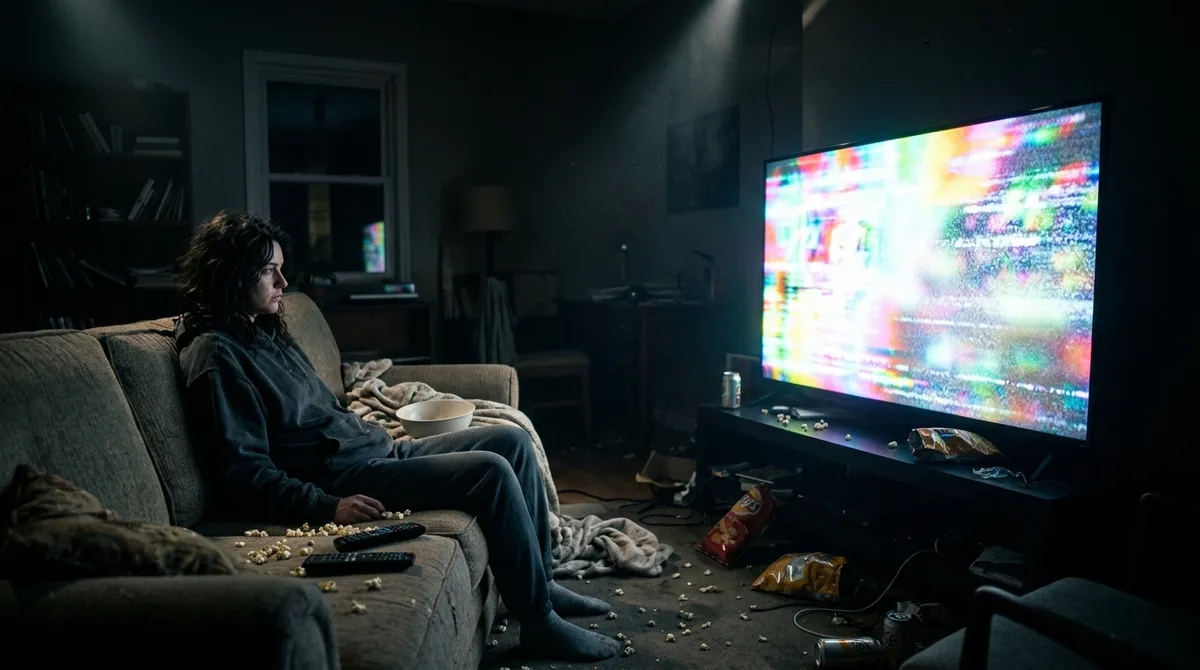
In the world of television, some shows capture the spotlight and generate immense buzz, often being labeled as must-see TV. However, not all of these hyped series live up to the expectations set by their fervent fan bases. What makes a show overhyped, and why do certain series fail to resonate with everyone?
The Allure of Popular TV Shows
Television has the power to bring people together, creating communities around shared experiences. Shows that receive significant media attention often entice viewers with promises of gripping storytelling, exceptional acting, or groundbreaking themes. These series frequently benefit from aggressive marketing campaigns and social media buzz, which can amplify their allure.
Factors Contributing to Hype
Several elements contribute to the hype surrounding a television series. Star-studded casts, renowned creators, and innovative storytelling techniques can all play a role. Additionally, shows that tackle current social issues or break new ground in representation often generate considerable interest and attention.
Another factor is the role of streaming platforms. With the rise of binge-watching, platforms can release entire seasons at once, creating a sense of urgency and excitement. This model can lead to widespread discussions and recommendations, further fueling the hype.
When Expectations Aren't Met
Despite the initial excitement, not all shows manage to maintain their momentum or deliver on their promises. In some cases, the storytelling may fall flat, or the plot might not evolve as anticipated. This can lead to disappointment among viewers who expected more based on the pre-release buzz.
Common Criticisms of Overhyped Shows
Some common criticisms of overhyped shows include underdeveloped characters, predictable storylines, or a reliance on shock value rather than substance. When a series prioritizes style over substance, it may attract attention initially but struggle to maintain long-term viewer engagement.
In many instances, shows that receive a lot of attention may also face heightened scrutiny. Fans and critics alike may hold them to higher standards, which can result in more severe backlash if expectations aren't met.
The Role of Viewer Preferences
Viewer preferences play a significant role in how a show is perceived. What resonates with one person may not appeal to another. Factors such as genre preferences, personal experiences, and cultural backgrounds can all influence how a show is received by different audiences.
Diverse Tastes and Opinions
Television audiences are diverse, and individual tastes vary widely. While some viewers may praise a show for its artistic vision or emotional depth, others might find it lacking. This diversity in opinion is part of what makes the discussion around television so dynamic and engaging.
It is important for viewers to approach new shows with an open mind and a willingness to form their own opinions, rather than relying solely on popular opinion.
Conclusion: Navigating the Hype
In the end, television should be enjoyed as a personal experience. While the buzz surrounding certain shows can be enticing, it is crucial to remember that not all series will resonate with everyone. The key is to explore a variety of content and discover what truly speaks to you as a viewer.
By embracing a wide range of shows and forming individual opinions, viewers can better navigate the landscape of popular television. This approach allows for a more enriched viewing experience, free from the constraints of hype and expectation.